Private healthcare
The phone rings, the waiting room is full, reception acts as a switchboard — in an outpatient clinic the bottleneck is almost never the doctor. It's everything else.
The context
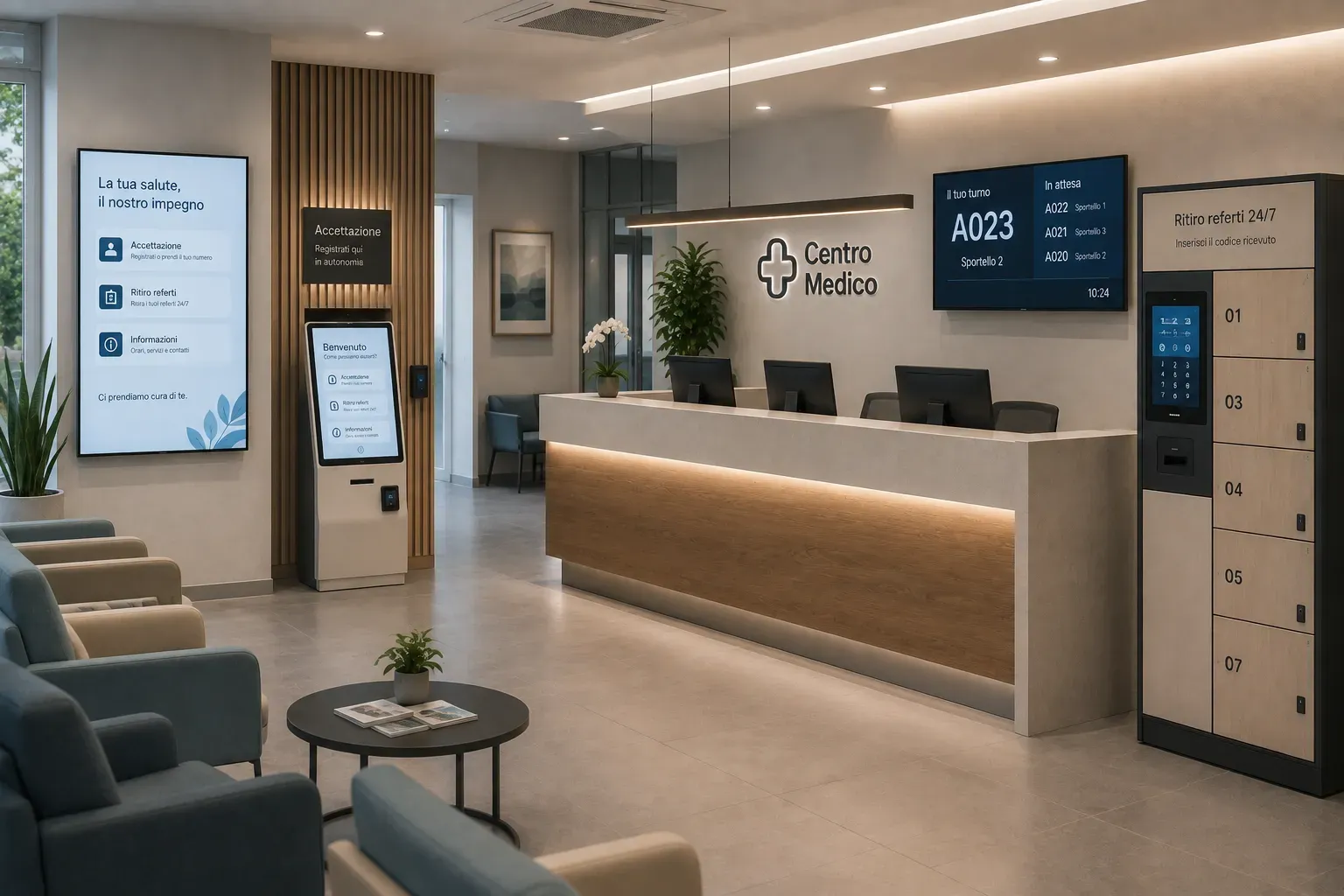
Private healthcare has been growing for years, driven by patients who choose private care mainly for one reason: speed of access. Speed that is largely decided outside the consulting room — on the phone, at reception, in managing rooms shared between doctors.
The Medioest solution
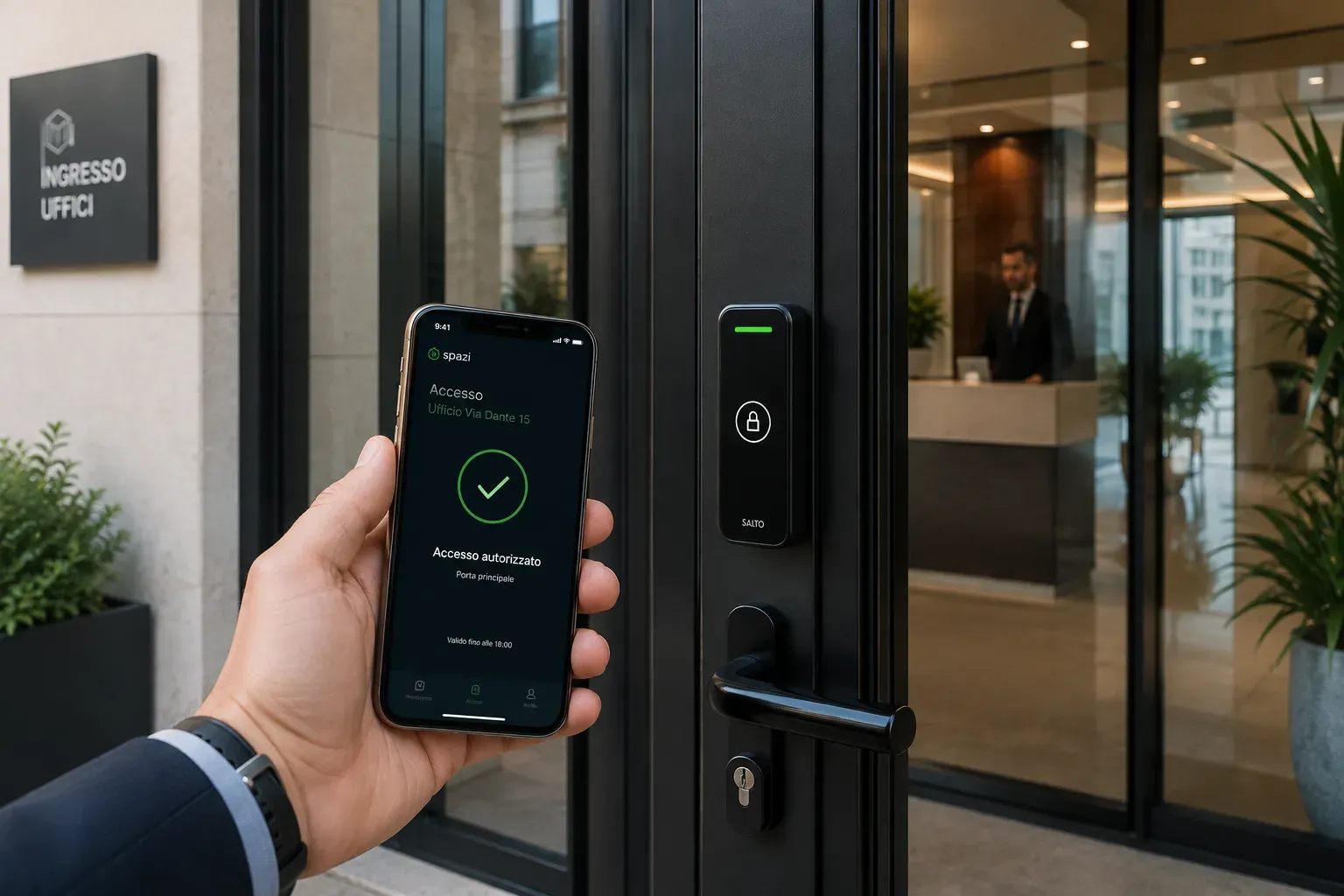
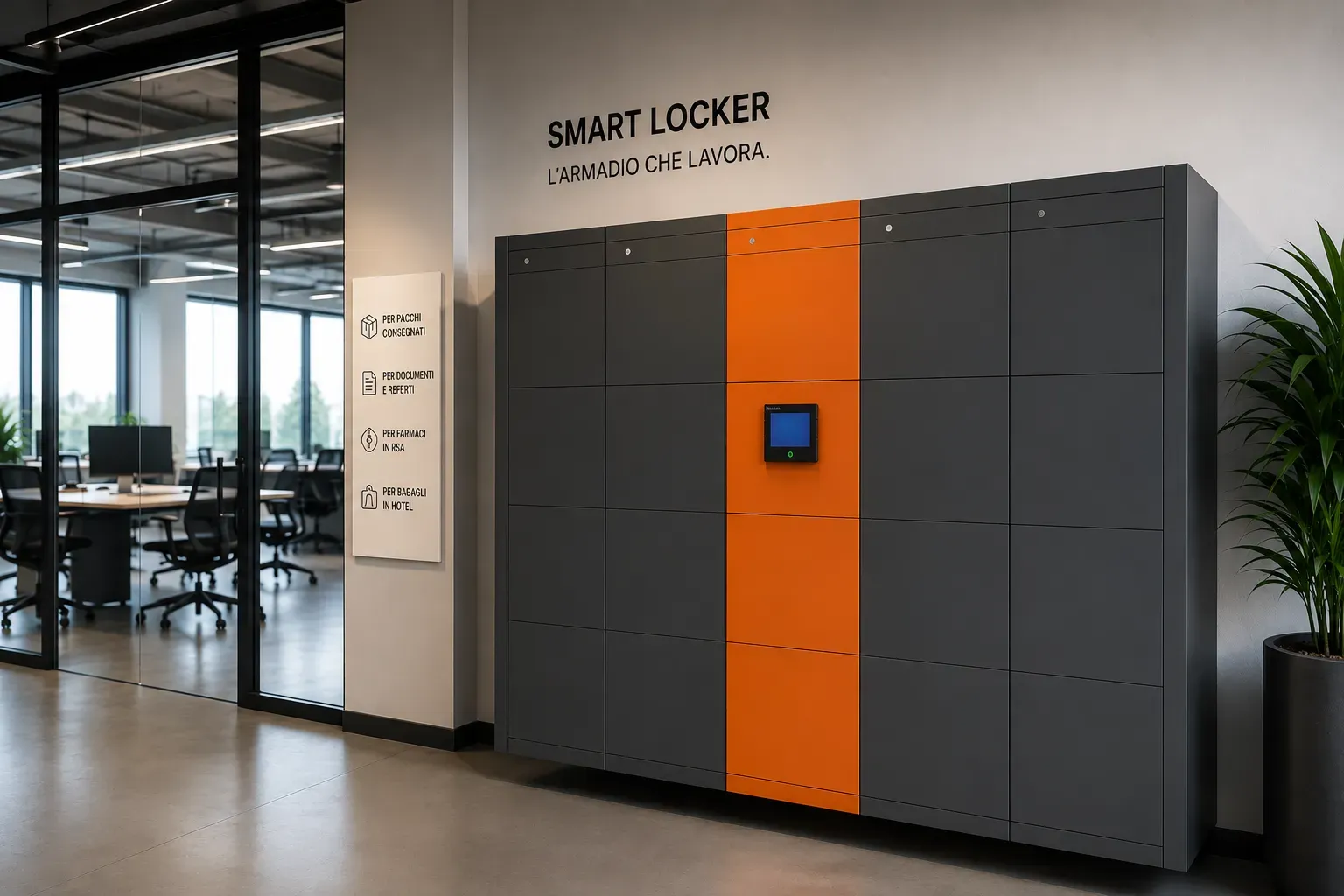
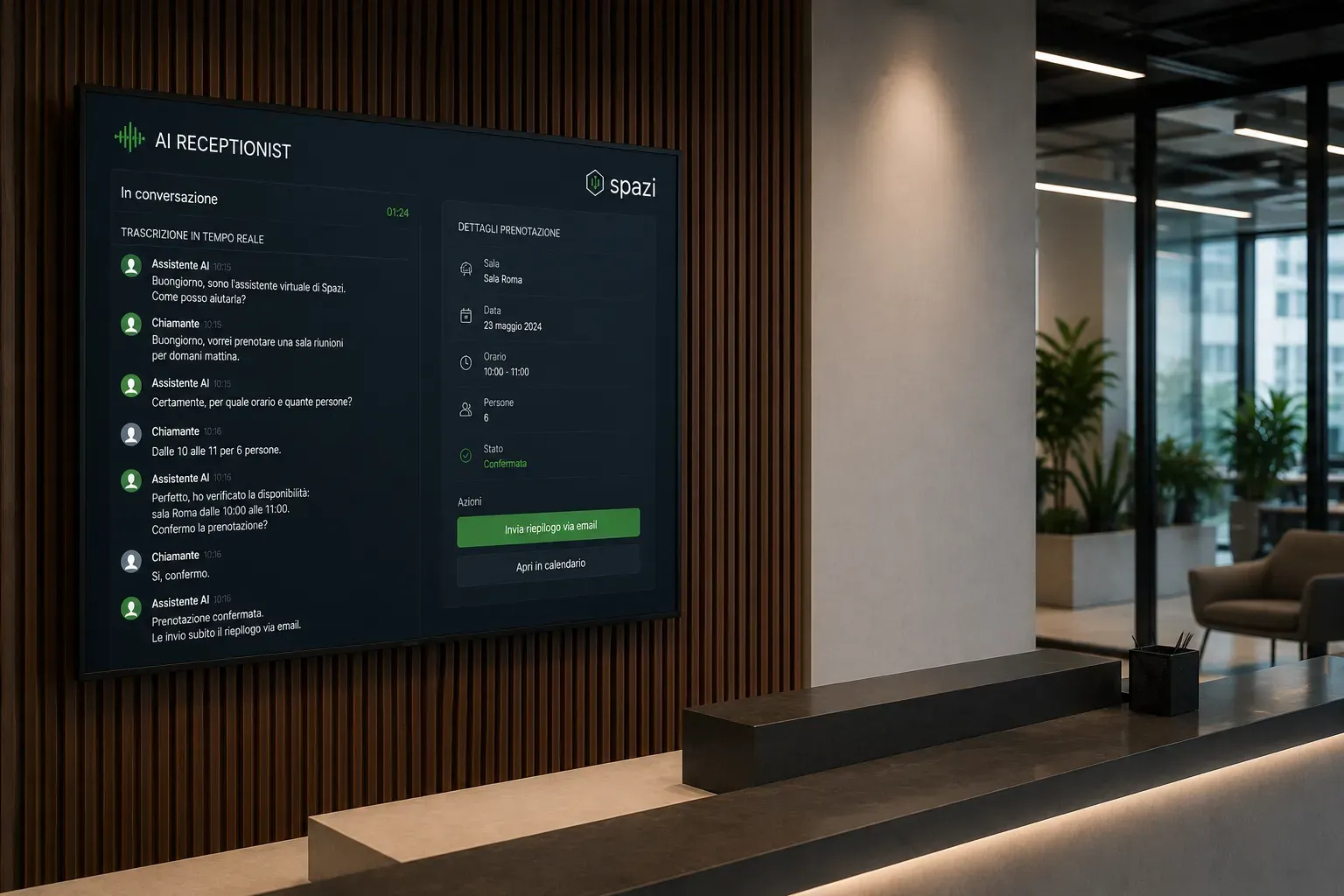
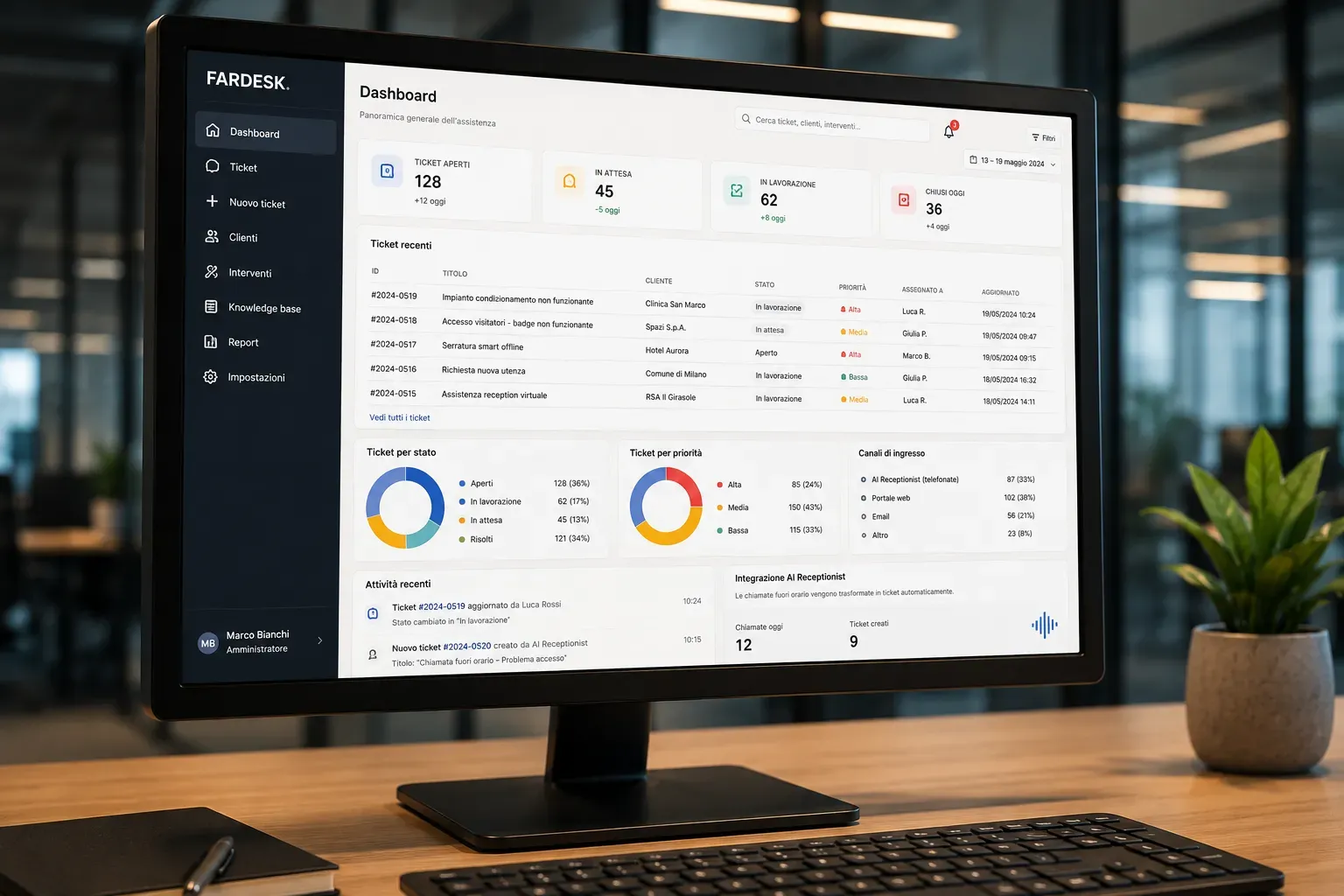
Reception that works on its own: the patient registers by phone or from the waiting-room kiosk, the queue manages itself, results are collected from the locker even outside opening hours. AI Receptionist answers calls around the clock, understands the reason for the call, checks the calendar and books the appointment directly — missed calls stop being lost patients. Consulting rooms shared between several doctors are booked as resources, with rules and reporting.
Around it, the furniture: reception, waiting rooms and offices designed to welcome, for the non-clinical component; for medical furniture we work with specialist partners, within the same project.
A two-tier offer
Reception and waiting rooms
- Reception, waiting rooms and administrative offices
- Non-clinical component of the consulting rooms
- Medical furniture via specialist partners, within the same project
Reception that runs itself
- Patient check-in from phone or kiosk
- Queue management
- Booking for shared consulting rooms
- Lockers for collecting results
- AI Receptionist for managing appointments
- Monthly subscription
Start with a pilot.
One room, one locker bank, one floor: a small perimeter, installed and working, before you extend it. Scaling up is decided on the pilot's numbers — how much space you freed, how much time you got back — not on the promises of whoever sold it to you.
Bring your receptionist along — the AI Receptionist will win them over first.
Request information